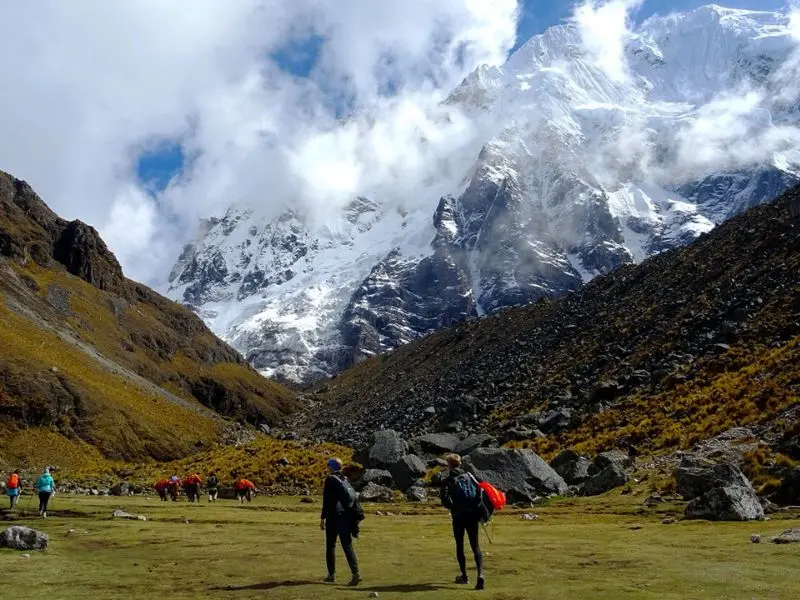


Exploring Peru’s majestic landscapes—from the Amazon to the Andean peaks—is an absolute privilege. But as travelers, we share a great responsibility: to ensure that these destinations remain intact for future generations.
Being a responsible traveler doesn’t mean sacrificing comfort or fun; it’s about making smarter, more environmentally conscious choices. Here are 5 simple steps to help you do just that on your next trip:
1. Say no to single-use plastics
Always carry a reusable water bottle (stainless steel or glass) and a cloth bag with you. On hiking trails or when visiting sites like Machu Picchu, reducing plastic waste is vital for protecting local wildlife and keeping the trails clean.
2. Respect the local flora and fauna
Although it may be tempting to take a photo near a llama or an exotic bird, always keep a safe distance. Avoid feeding wild animals, as this disrupts their feeding habits and creates a dependence on humans. Also, do not pick plants or take rocks as “souvenirs” from archaeological sites.
3. Buy local and seasonal produce
Choose restaurants that use ingredients from local producers and buy handicrafts directly from the artisans, bypassing middlemen. In addition to enjoying fresher, more authentic flavors, you’ll be reducing the carbon footprint associated with food transportation and boosting the region’s economy.
4. Choose certified tour operators
Before booking a tour, research the agency’s policies. Do they work with local guides who are fairly compensated? Do they have waste management policies? Choosing agencies committed to green tourism ensures that your money is used to preserve the destination you’re so eager to explore.
5. Immerse yourself in the culture with respect
Learn a few words in the local language (such as Quechua), ask for permission before taking photos of the locals, and respect their dress codes and behavioral norms at sacred sites. Empathy is a good traveler’s best calling card.
The future of tourism is in your hands. Plan your next trip with us and discover how we design experiences with low environmental impact and high positive impact.